
Gynaecologic Oncologist · Max Smart Super Speciality Hospital, Saket

Precise and comprehensive care for gynaecologic cancers

From early-stage disease suited to minimally invasive surgery to complex advanced cancers, with care focused on cure, recovery, fertility and sexual health.

Associate Consultant, Gynaecologic Oncology, Max Smart Super Speciality Hospital, Saket, New Delhi.

Watercolour illustration of the uterus, fallopian tubes and ovaries framed by leaves

Conditions I Treat

Cancers of the Female Reproductive System

Cancers of the uterus, ovaries, fallopian tubes, cervix, vagina and vulva, and tumours related to pregnancy.

Ovarian

Ovarian & Fallopian Tube Cancer

Vague early symptoms such as bloating or early fullness. Best treated with expert surgery and chemotherapy.

Cervical

Cervical Cancer

Mostly caused by persistent HPV. Preventable with screening and highly curable when found early.

Uterine

Uterine (Endometrial) Cancer

Abnormal or post-menopausal bleeding is the key early sign. Usually curable with surgery.

Vulvar & Vaginal

Vulvar & Vaginal Cancer

Persistent itching, a sore or a lump. Early assessment allows smaller, function-preserving treatment.

Pregnancy-related

Molar Pregnancy and GTN

Abnormal pregnancy tissue, monitored with hCG. Highly curable, often with fertility preserved.

Prevention & Early Detection

Cancers can be prevented or found early

Breast and cervical cancer, among the most common in women, can be found at an early, highly curable stage through organised screening.

Syringe and vaccine vial

HPV Vaccination

Girls and boys aged 9–14, and women up to 45. Prevents the virus behind 99% of cervical cancers.
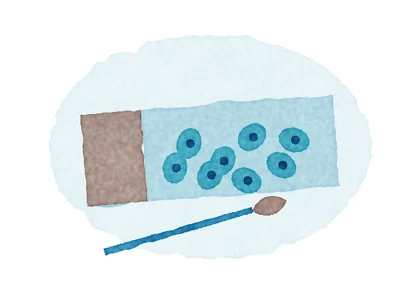
Pap smear slide with cells and sampling brush

Cervical Screening

HPV DNA and Pap tests find pre-cancerous changes years before cancer develops.

Magnifier over the cervix

Colposcopy & Pre-invasive Disease

Evaluation of abnormal screening results and treatment of pre-cancerous changes.

Awareness ribbon

Breast Screening

Clinical examination and imaging to find breast cancer when it is most curable.

Screening checklist

Structured Screening

Personalised plans for women at higher risk from genetic or lifestyle factors.

DNA double helix

Hereditary Cancer Risk

HBOC and Lynch syndrome: surveillance, family (cascade) testing and risk-reducing surgery.

When to Consult a Gynaecologic Oncologist

Signs and Situations Worth Evaluating

Consider an evaluation if you notice any of these.

Calendar with marked days and a drop

Abnormal bleeding

Heavy or irregular periods, or bleeding between periods, after sex or after menopause.

Drops falling into ripples

Persistent discharge

Unusual vaginal discharge that does not settle.

Petals with a magnified spot

Genital symptoms

Itching, pain, or visible growths or lesions.

Abdomen with a swirl and measuring tape

Pelvic or abdominal changes

Ongoing pain, bloating, early fullness, or bowel and bladder changes.

Ultrasound screen showing a cyst

An abnormal test

Complex ovarian cyst, thickened lining, abnormal Pap / HPV test or biopsy.

Stethoscope and medical report

A cancer diagnosis

For treatment planning or a second opinion.

Family tree with one shaded member

Family history

Breast, ovarian, uterine or colorectal cancer in you or your family.

Speech bubble with a question mark

Simply unsure?

If something feels wrong and has persisted, an assessment is reasonable.

Treatments & Approach

Treatment tailored to the cancer, its stage, and the patient

Treatment focuses on achieving cure, early recovery, and a smooth return to normal life.
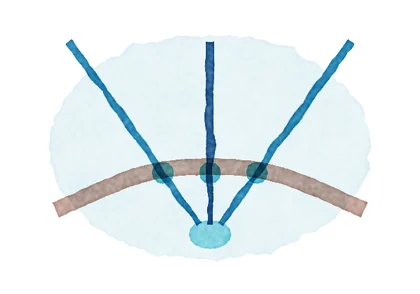
Laparoscopic instruments entering the abdomen

Minimally Invasive & Robotic Surgery

Small incisions, less pain, a shorter stay and a faster return to daily life.

Scalpel

Cytoreductive Surgery

Removing all visible disease in advanced ovarian cancer, the strongest factor in outcome.

Chemotherapy spray and heat waves

HIPEC & PIPAC

Heated or aerosolised chemotherapy delivered directly into the abdomen.
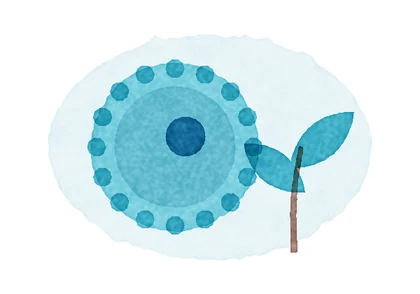
Egg cell with a sprouting leaf

Fertility-Preserving Surgery

Treating early cancers while keeping the option of a future pregnancy.

Lymph channels leading to a highlighted sentinel node

Sentinel Lymph-Node Mapping

Testing only the first draining nodes: accurate staging with less leg swelling.

Portrait of Dr Saroj Rajan

About

Dr Saroj Rajan

Gynaecologic Oncologist trained at AIIMS, New Delhi, with international fellowships in Prague and London and over 10 years of experience caring for women with gynaecological cancers.

  • M Ch Gynaecologic Oncology, AIIMS, New Delhi 2024
  • Fellowship, Gynaecologic Oncology, Charles University & General Faculty Hospital, Prague 2023
  • Fellowship, Gynaecologic Oncology, Royal London Hospital, Barts NHS Trust 2023
  • Certification, Essentials in Palliative Care, IAPC, New Delhi 2023
  • Fellowship & Diploma, Minimal Access Surgery, World Laparoscopy Hospital, Gurgaon 2021
  • Fellowship, International College of Robotic Surgeons, Gurgaon 2021
  • MD Obstetrics & Gynaecology, AIIMS, New Delhi 2019
  • MBBS, JIPMER, Puducherry 2015

Contact

Book a Consultation

Hours

Monday to Saturday, 9am to 5pm

Address

Room 8, D Block, Oncology OPD, Ground Floor
Max Smart Super Speciality Hospital
Press Enclave Marg, Saket, New Delhi 110017

Open in Google Maps →

Request an appointment

Please bring detailed medical reports to your consultation rather than sharing them here.

Ovarian Cancer

Ovarian & Fallopian Tube

Ovarian Cancer

The third most common cancer of the female reproductive organs. Early symptoms are often vague, so knowing the signs and seeing a specialist early matters.

Watercolour diagram of the uterus, fallopian tubes and ovaries, with one ovary circled Fallopian tube Ovary Ovary Uterus
3rdmost common cancer of the reproductive organs
50–65the most common age range, though it can occur at any age
1.4%lifetime risk for a woman
Epithelialthe most common type, named after the cells it starts in

Who is at higher risk?

Having a risk factor does not mean you will develop ovarian cancer.

Never having been pregnant Periods starting before 12 Menopause after 52 Family history of ovarian, breast or uterine cancer BRCA1 or BRCA2 gene mutation Lynch syndrome in the family
DNA double helixFamily tree

Symptoms to notice

Early symptoms can be mild and easy to dismiss.

Bloating or a larger abdomen Pelvic or abdominal discomfort Feeling full quickly Loss of appetite Urinary urgency or frequency

Because early symptoms are vague, most women are diagnosed at an advanced stage. Symptoms that persist deserve an assessment.

Abdomen with a swirl and measuring tape

How it is diagnosed

A mass is not always cancer. Many ovarian cysts are harmless.

Imaging

Ultrasound, CT or MRI of the abdomen and pelvis.

CA 125 blood test

A raised level adds to suspicion, but it can be high for other reasons and normal in some cancers.

Surgery or biopsy

Surgery often confirms and treats in one step. In advanced disease, a biopsy may come first, before chemotherapy.

Surgery

Surgery is most successful when performed by a gynaecologic oncologist.

Open surgery (laparotomy)

Preferred when cancer is likely. Samples are taken to stage the cancer and all visible tumour is removed (cytoreduction).

Keyhole surgery (laparoscopy)

For selected cases, such as a young woman with a mass that is unlikely to be cancer.

Fertility-sparing surgery

In some early, less aggressive cancers, the uterus, one tube and one ovary can be kept. Discuss this before surgery.

Outcomes are best when surgery removes all visible tumour.

Stages

The stage describes how far the cancer has spread, and guides treatment after surgery.

Stage I: cancer in the ovary onlyStage ILimited to one or both ovaries
Stage II: spread within the pelvisStage IISpread to other pelvic organs, such as the uterus or tubes
Stage III: spread within the abdomenStage IIISpread to the abdomen or abdominal lymph nodes
Stage IV: spread to the liver and lungsStage IVSpread to distant organs, such as the liver or lungs
Early stage
Advanced stage

Treatment pathway

Most women have surgery and chemotherapy. The order depends on the extent of disease.

Surgery

Staging and removal of all visible tumour.

Chemotherapy

Usually carboplatin with paclitaxel, given by drip every one to three weeks.

Maintenance

Bevacizumab or a PARP inhibitor for one to three years, to delay regrowth.

Follow-up

Regular examinations, CA 125 tests and scans.

Chemotherapy first: sometimes a few cycles are given before surgery to shrink the tumour, or when surgery would be too risky at first. Common side effects such as nausea, mouth soreness, low blood counts and hair loss are usually temporary.

Outlook and follow-up

Every situation is different. Your doctor can explain what applies to you.

What helps most

Diagnosis at an early stage, younger age, and surgery that removes all visible tumour.

Complete response

At the end of treatment, a normal examination, clear scans and a normal CA 125.

Signs of recurrence

New bloating or back pain, a rising CA 125, or new findings on a CT scan.

Questions about ovarian cancer?

Bring your reports for an assessment, treatment plan or second opinion.

Schedule a Consultation